Polymer Additives: The Secret of Long-Lasting Plastic Products
Quick Links
Key Benefits of Using Anti-Viral Masterbatch in Manufacturing Common Types of Polymer Additives and Their Functions The Importance of Flame Retardant Additive Masterbatch in Industrial Applications Addressing Common Myths About Anti-Fog Additive Masterbatch: Debunking Misconceptions How Anti-Corrosive Additives Contribute to Sustainable Manufacturing Practices Eco-Friendly Solutions: The Rise of Sustainable Anti-Insect Additives Sustainable Pest Control: Rodent Repellent Masterbatch and Environmental Responsibility Saving Crops with Insect Repellent Masterbatch in Agriculture Polymer Compatibility: Integrating Anti-Rodent Additives into Plastics Polymer Additives: The Secret of Long-Lasting Plastic Products Polymer Additives in Automotive Plastics: Flame Retardancy and Emission Control How Vapour Corrosion Inhibitor (VCI) Additives Work: Effective Corrosion Protection How Do Anti-Termite Additives Formulate Chemical Barriers Against Infestations? Comparing Different Types of Anti Fog Additives: Which Masterbatch is Right for Your Product Choosing the Right Termite Repellent Masterbatch for Your Application All you need to know: Benefits and Applications of Anti-Static Additive Masterbatch Anti Corrosive Additive Masterbatch in Marine Industry Applications Environmental Impact of Using Bio-based Additive Masterbatch In-Depth Analysis of Anti-Fungal Mechanisms: How Additives Inhibit Fungal Growth in Polymers
Polymer Additives: The Secret of Long-Lasting Plastic Products.
Plastic products have become an indispensable part of our daily lives, serving numerous purposes ranging from packaging and construction to electronics and transportation. Polymer additives play a crucial role behind the scenes in ensuring their longevity and performance. These additives are the secret ingredients that enhance the properties of plastics, making them more durable, versatile, god looking, and resistant to degradation.
One of the tant functions of polymer additives is to improve the stability and strength of plastic products. UV stabilizers, for instance, protect plastics from the damaging effects of sunlight, preventing discoloration, brittleness, and degradation over time. Likewise, antioxidants inhibit the oxidation process, extending the lifespan of plastics by preventing degradation caused by heat and exposure to oxygen.
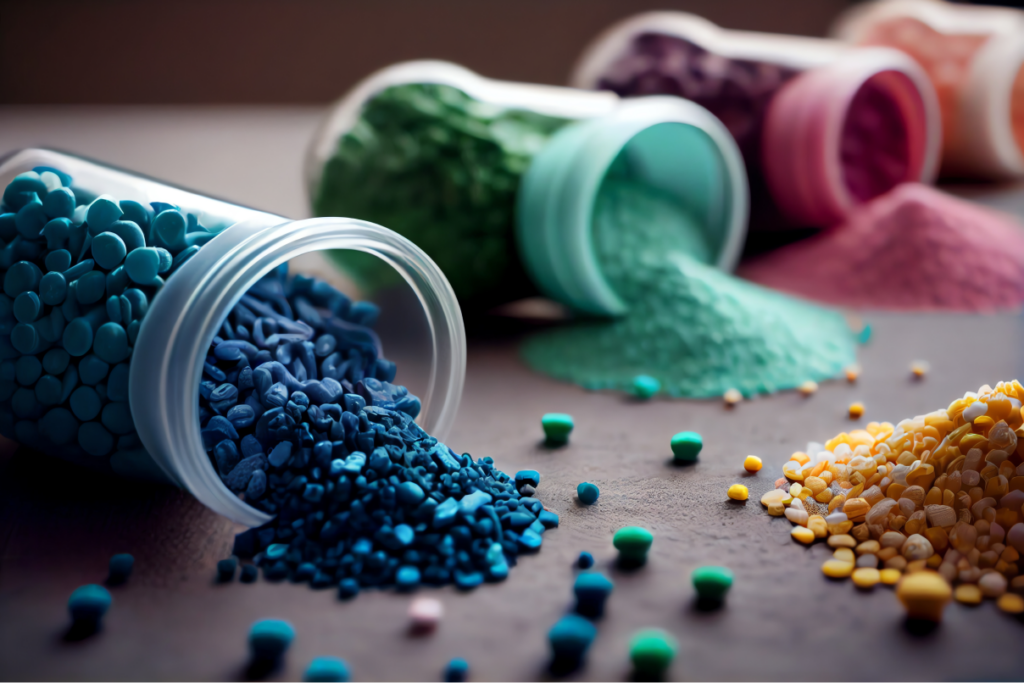
Furthermore, plastic products often require specific characteristics to meet diverse application requirements. Additives like plasticizers enhance flexibility, making materials easier to mold and shape. Flame retardants provide increased fire resistance, making plastics safer for various environments. Other additives such as colour masterbatch, fillers, and reinforcing agents help achieve desired aesthetics, texture, and strength.
Polymer additives also contribute to making plastic sustainable by improving the recyclability of plastics. Certain polymer additives facilitate the recycling process by enhancing compatibility and reducing the degradation of recycled materials. This promotes the circular economy and reduces the environmental impact associated with plastic waste.
In conclusion, polymer additives are the secret ingredients that empower plastic products with enhanced durability, versatility, aesthetic looks, and performance. They play a vital role in improving stability, strength, flexibility, and recyclability. With ongoing research and development, these additives continue to evolve, ensuring that plastic products meet the ever-changing demands of the modern world while minimizing environmental impact.