Eco-Friendly Solutions: The Rise of Sustainable Anti-Insect Additives
Quick Links
Key Benefits of Using Anti-Viral Masterbatch in Manufacturing Common Types of Polymer Additives and Their Functions The Importance of Flame Retardant Additive Masterbatch in Industrial Applications Addressing Common Myths About Anti-Fog Additive Masterbatch: Debunking Misconceptions How Anti-Corrosive Additives Contribute to Sustainable Manufacturing Practices Eco-Friendly Solutions: The Rise of Sustainable Anti-Insect Additives Sustainable Pest Control: Rodent Repellent Masterbatch and Environmental Responsibility Saving Crops with Insect Repellent Masterbatch in Agriculture Polymer Compatibility: Integrating Anti-Rodent Additives into Plastics Polymer Additives: The Secret of Long-Lasting Plastic Products Polymer Additives in Automotive Plastics: Flame Retardancy and Emission Control How Vapour Corrosion Inhibitor (VCI) Additives Work: Effective Corrosion Protection How Do Anti-Termite Additives Formulate Chemical Barriers Against Infestations? Comparing Different Types of Anti Fog Additives: Which Masterbatch is Right for Your Product Choosing the Right Termite Repellent Masterbatch for Your Application All you need to know: Benefits and Applications of Anti-Static Additive Masterbatch Anti Corrosive Additive Masterbatch in Marine Industry Applications Environmental Impact of Using Bio-based Additive Masterbatch In-Depth Analysis of Anti-Fungal Mechanisms: How Additives Inhibit Fungal Growth in Polymers
Eco-Friendly Solutions: The Rise of Sustainable Anti-Insect Additives
Introduction
The battle against insect damage has long been a challenge for farmers and sellers in agriculture and packaging. The presence of insects not only compromises the quality of crops but also diminishes their market value. In recent times, a promising solution has emerged – Sustainable Anti-Insect Additives. These additives, often in the form of masterbatches, not only protect crops from pre to post-harvest but also contribute to environmentally friendly practices. This article explores the growing significance of sustainable anti-insect additives and their impact on the agricultural and packaging industries.
Understanding the Challenge
Insects, equipped with an extraordinary sense of smell, can discern thousands of volatile compounds. Their ability to detect and differentiate between various scents makes them a formidable challenge in commercial vegetable and fruit production. Minor insect damage can significantly reduce the crop’s value as consumers increasingly demand pristine and unblemished produce.
Conventional Methods and Their Drawbacks
Traditional methods of insect control often involve the use of chemical pesticides, which come with their own set of challenges. These pesticides may be effective in repelling insects, but they can have detrimental effects on the environment, non-target species, and even human health. The need for sustainable alternatives has never been more critical.
Enter Sustainable Anti-Insect Additives
Sustainable Anti-Insect Additives are a modern and eco-friendly solution to the persistent problem of insect damage. These additives, typically in the form of masterbatches, are derived from a unique blend of aromatic plant oils and odoriferous compounds. Unlike conventional pesticides, these additives provide a safe and effective means of protecting crops in both pre and post-harvest conditions.
Key Plant Oils and Compounds
The plant oils used in these masterbatches are carefully selected and tested to control a wide variety of insects. Mealybugs, Scales, Weevils, Thrips, Ants, Bed Bugs, Cockroaches, and many more are deterred by the natural properties of these plant-based additives. Moreover, the use of odoriferous compounds ensures a long-lasting effect, as they evaporate at an infinitely low rate.
Unique Features of Sustainable Anti-Insect Additives
- Wide Range of Protection: These additives dissuade a broad spectrum of insects from attacking polymers, making them versatile and effective in various applications.
- Long-Lasting Effect: The slow evaporation rate of odoriferous compounds ensures a sustained protective effect over an extended period.
- Ecologically Safe: Derived from natural sources, these additives are ecologically safe, posing minimal risks to the environment, wildlife, and human health.
- No Migration: Once incorporated into the polymer, these additives do not migrate, ensuring that the protection remains localized and effective.
- RoHS Compliance: Adhering to Restriction of Hazardous Substances (RoHS) standards, these additives meet strict regulatory requirements, further establishing their safety and reliability.
Applications of Sustainable Anti-Insect Additives
The versatility of these additives extends to various applications within the agricultural and packaging industries:
- Packaging Film: Incorporating sustainable anti-insect additives into packaging films adds an extra layer of protection to perishable goods, preventing insect damage during storage and transportation.
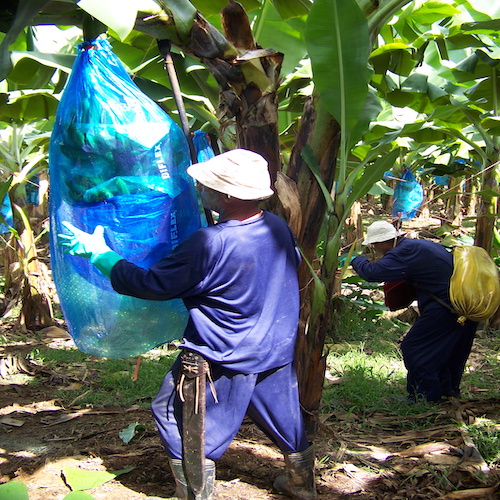
- Banana Skirting Bags: Protecting bananas from insects is crucial for maintaining their quality. Banana skirting bags infused with anti-insect additives serve as a barrier against pests.
- Crate Liners: When used as crate liners, these additives create a protective environment for fruits and vegetables, safeguarding them from potential insect infestations.
- Plastic Table Drawers: In household and commercial settings, plastic table drawers can benefit from the insect-repellent properties of these additives, ensuring the contents remain untouched by pests.
Conclusion
As consumer awareness of eco-friendly practices grows, the demand for sustainable solutions in agriculture and packaging is on the rise. Sustainable Anti-Insect Additives represent a significant stride toward addressing the challenges posed by insect damage while promoting environmental responsibility. Their unique blend of plant oils, odoriferous compounds, and long-lasting effects make them a promising alternative to traditional pesticides. By incorporating these additives into various applications, from packaging films to crate liners, we can not only protect our crops but also contribute to a more sustainable and resilient agricultural industry. As we embrace these advancements, the future of farming and packaging looks brighter, with a harmonious balance between productivity and environmental consciousness.